Why I Needed Both Domestic and International Payments
My SaaS product isn't just for international indie developers — it also has a real audience inside China. And many Chinese developers don't have access to international payment methods like a Visa card or PayPal.
So I had to find a way to accept payments from both sides of the world. Here's what I figured out.
The Problem with Single-Platform Solutions
If you want a single platform that supports both WeChat Pay and Alipay for domestic and international users, the most commonly mentioned options — aside from Stripe — are Lemon Squeezy and Paddle.
Their fees are identical: 5% + $0.50 per transaction. The reason it's expensive is that they handle tax compliance on your behalf.
Let's do the math. Say my product sells for $249. Each transaction costs $12.95 in fees — roughly ¥90 RMB.
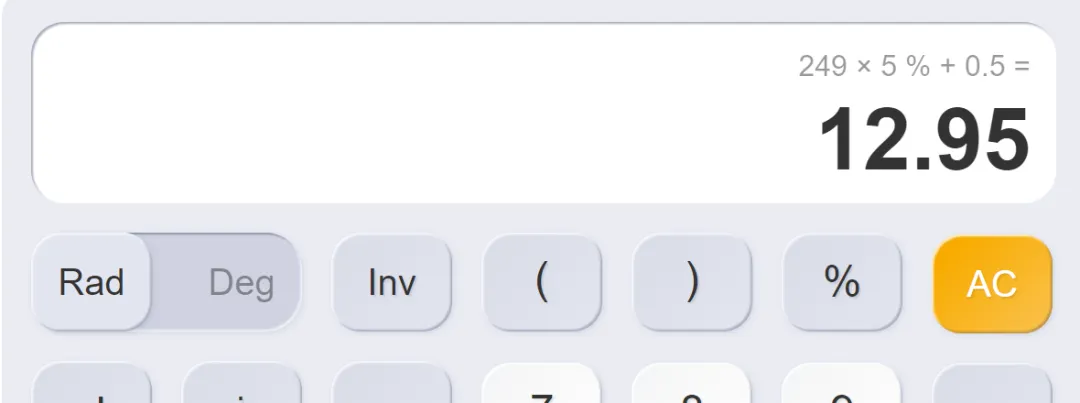
One transaction might not feel like much. But what about 50? Or 100? It adds up fast.
So I ruled out both platforms and looked for a better approach.
Two Scenarios: With or Without an Overseas Company
Scenario 1: You Already Have an Overseas Company
If your company is registered outside mainland China — Hong Kong, the US, Singapore, etc. — you can apply for the international version of Alipay directly.
But honestly, if you already have an overseas entity, you don't need to think about this at all. You can just apply for Stripe, which includes Alipay support and accepts RMB payments.
You might be thinking: why not just register an overseas company then?
It's not as simple as it sounds. You need bookkeeping, annual reviews, and if you don't want to travel to Hong Kong, you'll need to use a third-party agent — which comes with its own uncertainty and risk.
That's why I went with the approach below, which I believe is the most compliant and lowest-risk option.
Scenario 2: You Don't Have an Overseas Company
The solution is simple in concept: domestic users pay domestically, international users pay internationally.
For international payments, I use Creem and PayPal.
For domestic payments in China, here's the setup:
Prepare two separate domains (standard practice: .cn for China, .com for international) and two servers — one hosted in China, one abroad. The codebase can be shared, but payment logic must be handled separately.
For domestic users, integrate Alipay or WeChat Pay directly. Don't bother with any other third-party processors.
To use Alipay's website payment API, you need to become a verified merchant with a valid business license. You'll also need an ICP filing (free, though it takes time). This is the most compliant and safest path.
For my product specifically — it's a one-time purchase, so I don't need an ICP license. If you're running a subscription model, you'll need to evaluate based on your situation.
Alipay's transaction fee is just 0.6% — extremely low.
Let's run the numbers again.
$249 ≈ ¥1,721 RMB.
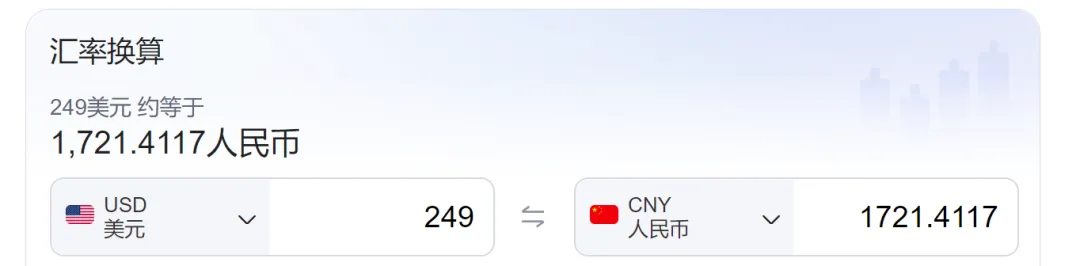
Alipay fee per transaction: 1721 × 0.6% = ¥10.33 RMB.
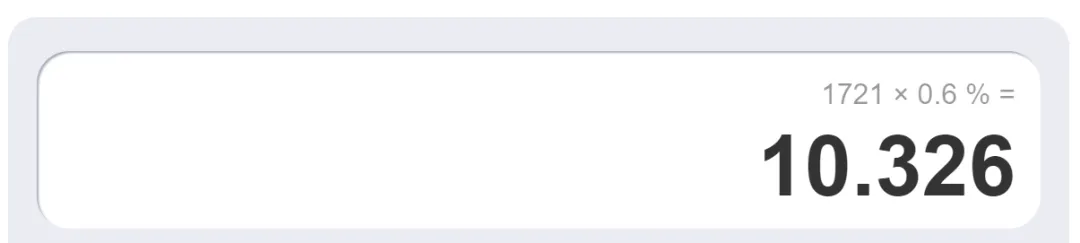
Compare that to ¥90 RMB with Lemon Squeezy or Paddle — and remember, that ¥90 isn't even the final amount you lose. There are also currency conversion fees on top.
Why not use Alipay's face-to-face payment (当面付)?
That feature is designed for physical retail. Using it to sell digital products is non-compliant, which means it carries real risk. So I don't consider it.
My Final Verdict
For someone just starting out like me, the stack is clear:
I don't need to rush into Stripe. Stripe makes sense once you have meaningful revenue — because registering an overseas company through Stripe Atlas costs $500+, plus annual maintenance in both time and money. Setting up a company is serious business, especially when you're still figuring out the rules.
Before the revenue is there, focus on making money first.
Stripe + an overseas company is the cherry on top — not the foundation.
Pouring energy into company registration, annual filings, and bookkeeping before your product has traction is getting the priorities backwards.
Once the revenue is stable, a few hundred dollars for an overseas entity is nothing. It'll happen naturally at the right time.
That's my payment stack. Do you think it's the right approach?