Today I bought 3 services — computer dust cleaning, and booked a technician to come clean my range hood and washing machine.
I spent less than 300 RMB, but my understanding of user needs leveled up.
01
This morning, I booted up, fired up my VPN, and opened Claude to discuss some problems I was running into.
Within 10 minutes, my computer started buzzing loudly, keystrokes stopped responding, I couldn't close the browser, and then the whole thing froze.
After asking Claude, it suggested I clean the dust out of my computer. After all, I've had it for 4 years and never once cleaned it — and I have no idea how.
So should I learn to clean it myself, or just hire someone?
I thought about it: if I tried to learn, I'd need to buy tools, spend time studying how to do it — the tools plus time would cost more than just hiring someone. Plus, I'm not a hands-on person. I'd probably break something. Leave professional work to professionals. Peace of mind.
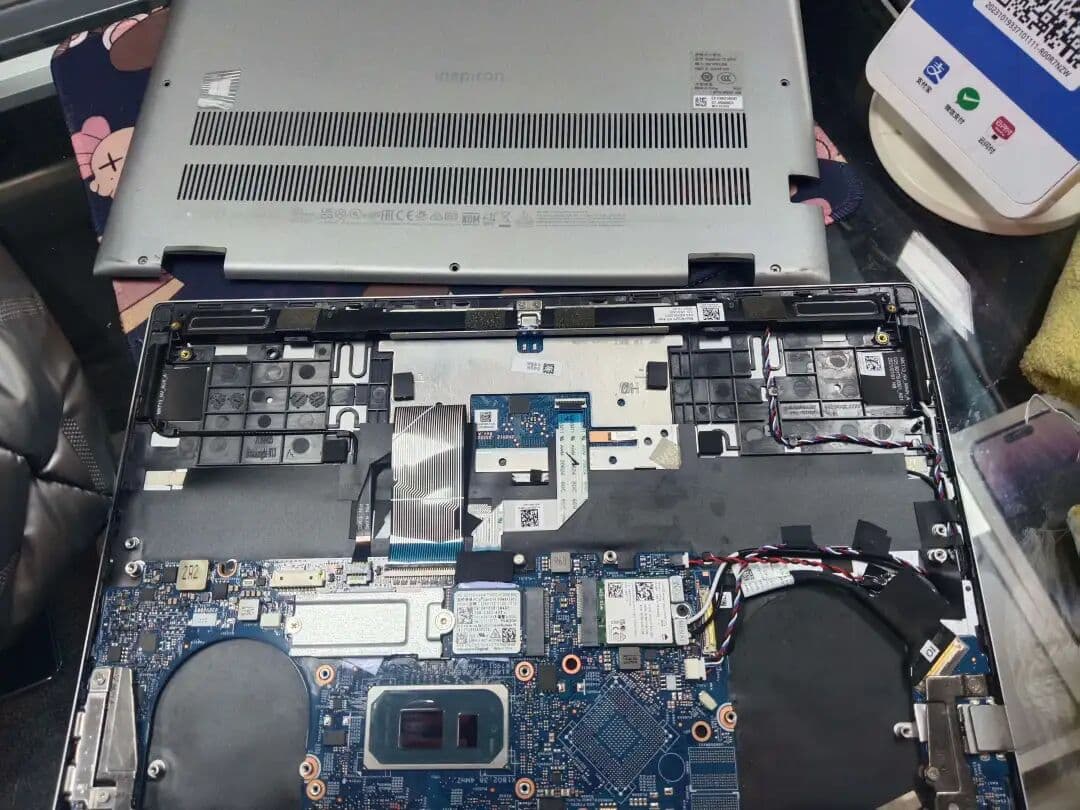
So I bought the service without hesitation. 80 RMB for cleaning plus thermal paste.
Then, while searching for services on Baidu Maps, I noticed range hood cleaning. I thought, yeah, my range hood could use a wash too.
Could I clean it myself? Sure. But then I thought about it — I'd need tools, I'd have to climb up and take it apart, my hands would be covered in grease, I'd never get it truly clean, reinstalling it would be another headache, and I might even break something. That's at least half a day gone. In that half day, I could write a valuable article with compounding returns. My time is expensive. I don't need to prove I'm capable by doing this myself.
So I spent 89 RMB to book a technician, and while I was at it, booked another one to clean the washing machine too.
Then I thought about dry cleaning down jackets — why is that even a business?
Last year, I actually tried washing my own down jacket. After it dried, I used a hair dryer to fluff up the down, just like the internet said.
What happened? The hair dryer overheated and the power strip started smoking. I stood there frozen for a few seconds, hearing nothing but my own heartbeat. Terrifying. In that moment I decided — never again. From now on, pay for it. Life is worth more than money. Haha.
02
These three purchase decisions had completely different logic behind them.
-
Computer cleaning. Can't do it, don't want to learn. Hired someone immediately, zero guilt.
-
Range hood and washing machine cleaning. Can do it, but too much hassle. Mentally walked through the process, decided it wasn't worth it. Pay for convenience.
-
Down jacket washing. Tried it, it went wrong. A real painful memory. Never want to do it myself again.
Three situations, three motivations for paying, but the outcome is the same — I paid up. I had a need, a service matched it, and the transaction happened.
03
Then I thought about my own users.
These past couple of days, I've been wrestling with one question — who would buy Pay4SaaS?
If I can't figure this out, my landing page copy won't hit home, and conversion rates will tank.
To put it bluntly — if I don't understand this, the product will be very hard to sell.
And the answer was hiding in these 3 experiences all along.
People who can't do it — They see payment integration requires connecting four platforms, handling webhooks, and more... They give up on DIY and look for something that already works.
People who can but don't want to — They've done it once and know how painful it is. Each payment method needs nearly 30 test cases, fixing one bug means regression testing 2–5 other cases, upgrade/downgrade logic has edge cases everywhere... They'd rather pay and spend their time on what actually matters.
People who tried and got burned — They shipped, payments broke, users complained, and they scrambled to fix bugs. That feeling is just like my hair dryer smoking incident — you never want to go through it a second time.
Three types of users, three pain points, but the motivation to pay is the same — I don't want to deal with this alone anymore. I want to pay for peace of mind.
04
Before becoming an indie developer, I thought "understanding user needs" was something abstract.
You need user research, user personas, market data analysis...
But after calling 3 service technicians today, I realized needs are actually very concrete —
It's the things you could do yourself, but just don't want to — or can't do well.
And that's where the money is.
The answers to user needs are everywhere in daily life. It's just that most of the time we're the customer, and we forget to switch to a product perspective.
Today I made that switch, and one more layer clicked — I understood that whatever I'm willing to pay for, users are willing to pay for too.